Volume
Diaperapprox. 85 g
Collection filmapprox. 5 g
Who it's for
Choose who you are to see what LUBOA changes for you.
Care facilities
A small difference per patient becomes an operational difference across the facility.
For consumables used every day, small differences in volume and weight accumulate in inventory and storage.
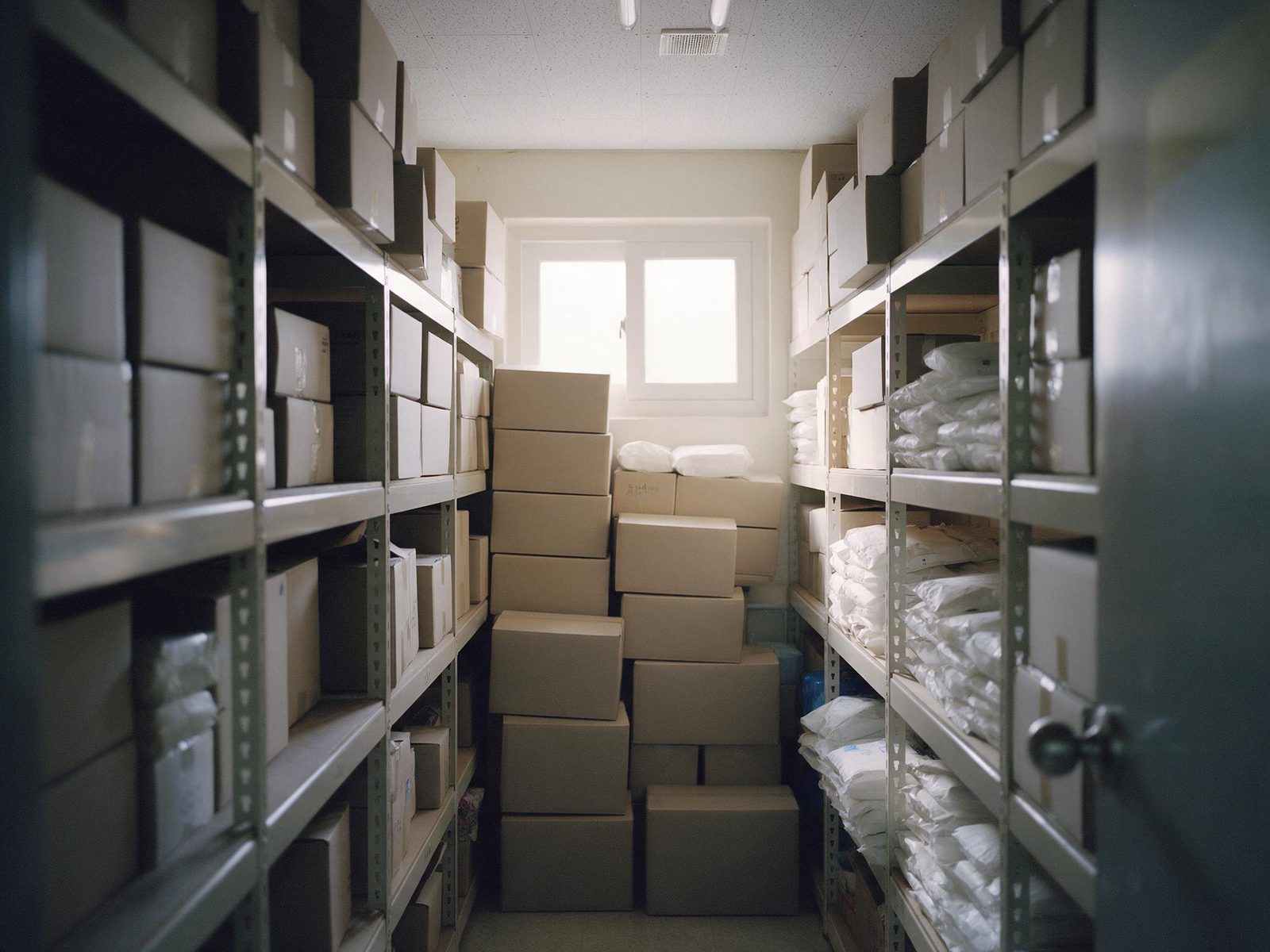
Excretion goes to the toilet and used film is handled separately, so excretion and consumables are managed apart.
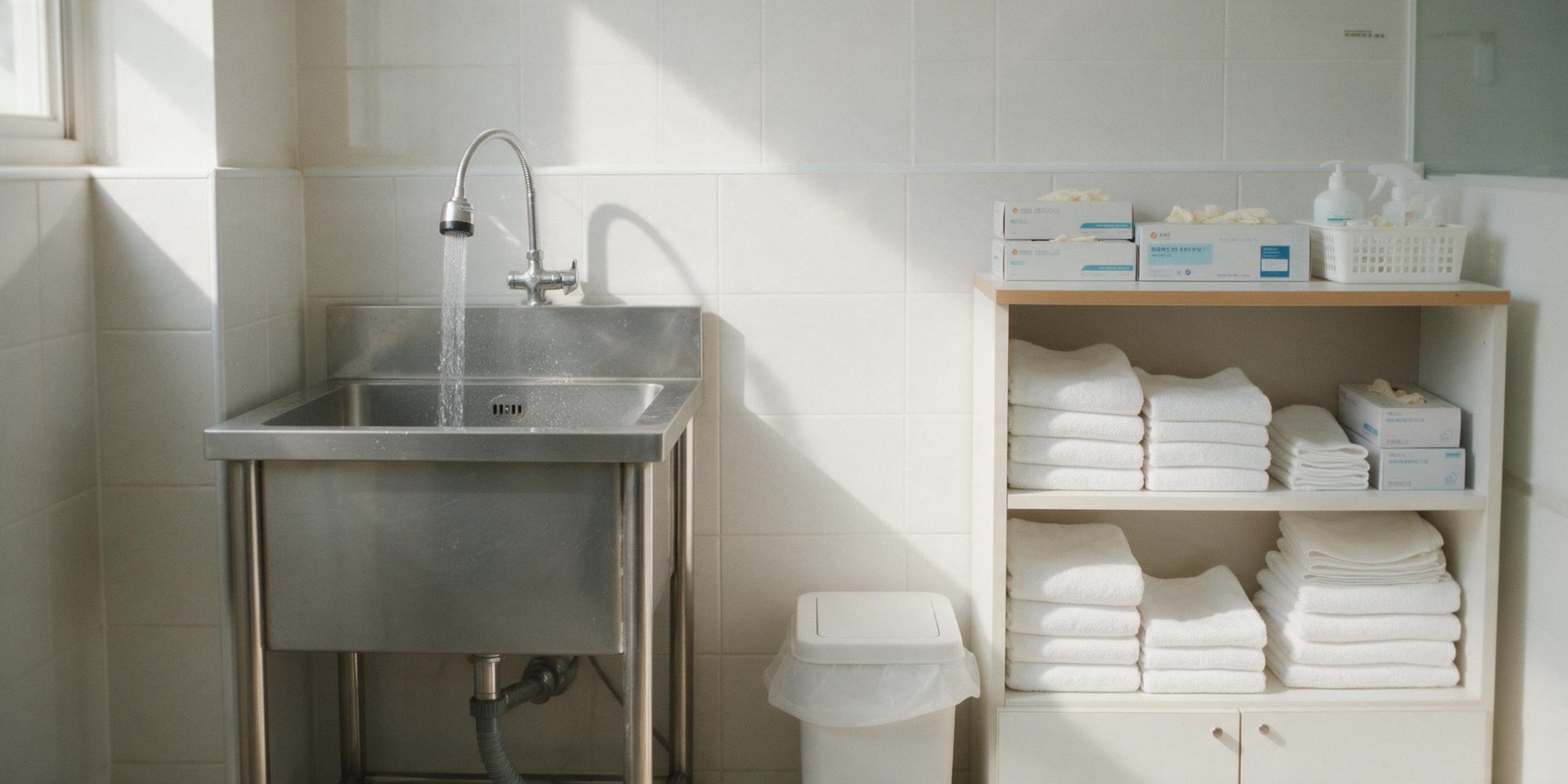
With LUBOA the interface is reused and only the thin film collection bag is replaced. Facilities can review the following differences at each stage of operation.
| Stage | Conventional | LUBOA |
|---|---|---|
| Purchasing | Bulky consumables bought repeatedly | Interface reused; the replaceable item is the film collection bag |
| Storage | Boxes of consumables take up storage space | Potentially less storage volume with thin film |
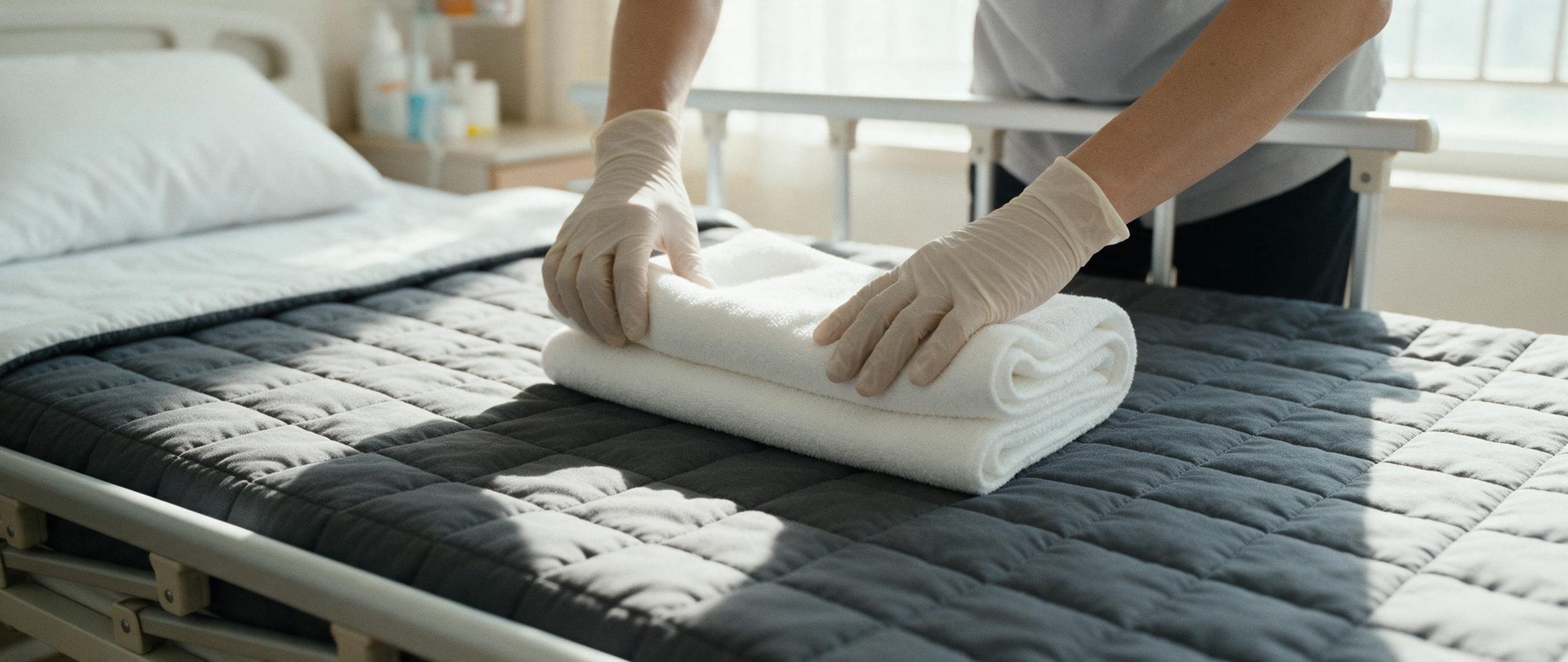
| Changing | Full change including clothing and repositioning | Interface stays; only the collection bag is changed |
| Disposal | Excretion and consumables discarded together | Excretion to the toilet; used film handled separately |

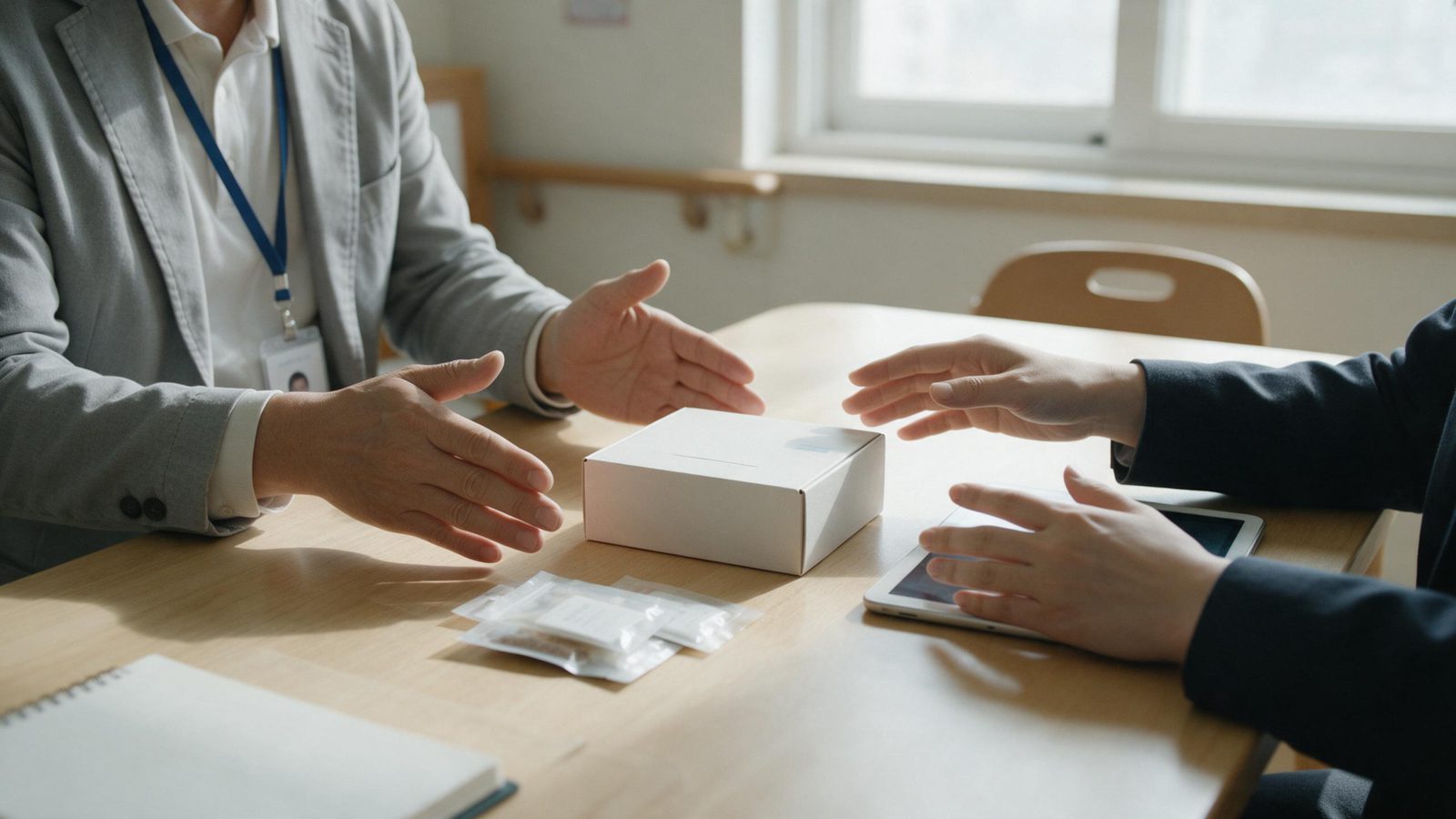
Before the pilot starts, we agree with the facility on scope and evaluation criteria.
Decide which patient groups, such as bedridden residents, and how many to include.
Show care staff how to attach, change and dispose.
Check that the method fits the facility's waste classification and handling rules.
Agree in advance on usability, skin condition and change/disposal workload.
Adoption is reviewed step by step: consultation → samples → pilot → evaluation → supply agreement.